
Deep Brain Reorienting (DBR)
Deep Brain Reorienting (DBR) is a relatively new, neuroscience-informed psychotherapy approach designed to treat trauma and attachment shock by working with the earliest, subcortical brain responses to threat—before thoughts, emotions, or behaviors fully form. DBR focuses on the brainstem and midbrain orienting reflexes that activate at the very first moment of shock or perceived danger. These reflexes are rapid, automatic, and often nonverbal. DBR aims to help the nervous system complete and reorganize these unfinished defensive responses so they no longer drive chronic trauma symptoms.


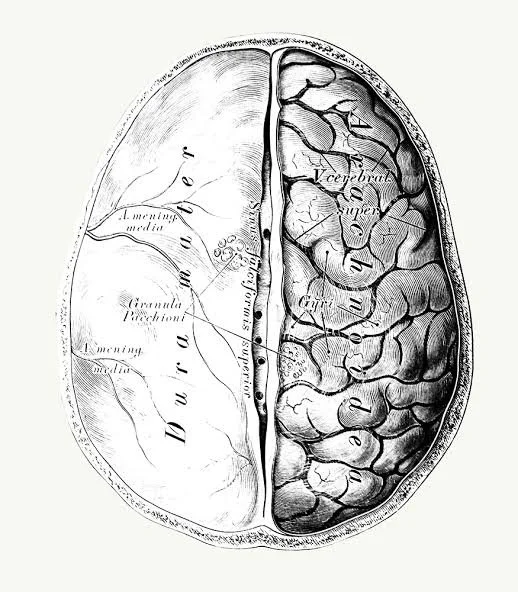
Deep Brain Reorienting (DBR) is a trauma focused psychotherapy that helps individuals heal the effects of overwhelming or distressing experiences by working with the brain's deepest survival response. Developed by psychiatrist Dr. Frank Corrigan, DBR focuses on the neurobiological processes that occur before the familiar fight, flight, freeze, or shutdown reactions occur.
When a traumatic event occurs, the brain instinctively detects a threat and prepares the body to respond. These rapid, automatic responses are often stored in the nervous system and can continue to affect a person long after the event has passed. Deep Brain Reorienting helps clients access and process these deeply held trauma patterns in a safe, gradual, and regulated way.
Through careful attention to body sensations, emotional experiences, and subtle shifts in the nervous system, DBR allows unresolved trauma to be processed at its source. Clients often report reduced emotional reactivity, greater feelings of safety, improved emotion regulation, and a deeper sense of connection to themselves and others.
DBR is particularly effective for individuals who have experienced developmental trauma, attachment wounds, shock trauma, grief, anxiety, and persistent emotional distress.
By addressing trauma at the deepest neurological level, Deep Brain Reorient offers a powerful pathway towards long lasting healing, resilience, and well being.
If you would like to learn more bout Deep Brain Reorienting I encourage you to check out Dr. Frank Corrigan’s site here.